Why Third-Party Cookie Deprecation Matters
Third-party cookies have traditionally helped marketers track users across multiple websites. This allowed advertisers to create detailed audience profiles and deliver highly targeted advertisements.
However, privacy expectations have changed significantly. Consumers are becoming more aware of how their data is being used, and regulations continue becoming stricter around the world.
As a result, businesses can no longer depend entirely on third-party tracking methods.
Some major impacts includes:
- Reduced audience tracking capabilities
- Less detailed cross-site user behavior data
- Challenges in ad targeting
- More pressure on data privacy compliance
- Increased importance of owned customer data
Companies that fail adapting may struggle to maintain marketing performance in the future.
Build Stronger Email Marketing Programs
Email marketing remains one of the most valuable sources of first-party data. Every subscriber willingly provides information and grants permission for communication.
Businesses should focus on growing high-quality email lists through:
- Newsletter signups
- Content downloads
- Webinar registrations
- Special offers
- Loyalty programs
The more relevant value you provide, the more likely customers are to share their information.
Email subscribers often become some of the most engaged and profitable customer segments.
Create Valuable Lead Magnets
One of the most effective ways to collect first-party data is by offering something valuable in exchange for user information.
Popular lead magnets includes:
- E-books
- Whitepapers
- Industry reports
- Templates
- Checklists
- Free tools
When users voluntarily provide their contact details, businesses gain valuable data while building trust at the same time.
The key is ensuring the offer actually solves a problem for your target audience.
Encourage Customer Account Creation
Many visitors browse websites anonymously. Encouraging users to create accounts allows businesses to collect richer customer insights over time.
Benefits of customer accounts include:
- Better purchase tracking
- Personalized recommendations
- Saved preferences
- Improved customer experiences
- More accurate customer profiles
Businesses should make account creation simple and clearly explain the benefits users will receive.
Invest in Customer Relationship Management (CRM)
A CRM system plays a critical role in managing first-party data effectively. It allows businesses to organize customer information and create more personalized experiences.
A strong CRM helps companies:
- Track customer interactions
- Manage sales pipelines
- Segment audiences
- Improve retention efforts
- Deliver personalized communications
Without proper organization, collected data often becomes difficult to use effectively.
Use Website Analytics More Strategically
Although third-party tracking is declining, businesses can still learn a great deal from their own website analytics.
Important metrics to monitor includes:
- Page views
- Time on site
- Conversion rates
- Traffic sources
- User journeys
- Bounce rates
Analyzing these behaviors can help businesses understand what content and experiences are driving engagement.
Website data often reveals valuable opportunities for optimization.
Implement Customer Surveys
Sometimes the best way to understand customers is simply asking them directly.
Surveys can help collect valuable information about:
- Customer preferences
- Buying motivations
- Product satisfaction
- Future needs
- Brand perception
Many businesses overlook surveys, but they often provide insights that analytics alone cannot reveal.
Customers are usually willing sharing feedback when the process is quick and simple.
Develop Loyalty Programs
Loyalty programs are powerful tools for gathering first-party data while increasing customer retention.
These programs encourage customers to share information in exchange for rewards and benefits.
Examples include:
- Points-based rewards
- Exclusive discounts
- VIP memberships
- Early product access
- Referral incentives
Loyalty members often provide valuable behavioral data that can improve future marketing efforts.
Leverage Zero-Party Data
Zero-party data is closely related to first-party data but involves information customers intentionally share with a business.
Examples include:
- Preference centers
- Product interests
- Communication preferences
- Shopping intentions
Unlike inferred data, zero-party data comes directly from customer input.
This makes it highly valuable for personalization and customer experience improvements.
Focus on Personalization
One major advantage of first-party data is the ability to deliver personalized experiences.
Businesses can use collected data to personalize:
- Product recommendations
- Email campaigns
- Website content
- Promotional offers
- Customer support interactions
Customers generally responds better when content feels relevant to their specific interests and needs.
Personalization often leads to higher engagement and conversion rates.
Strengthen Data Privacy and Transparency
As businesses collect more first-party data, maintaining customer trust becomes increasingly important.
Companies should clearly explain:
- What data is collected
- Why it is collected
- How it will be used
- How customers can manage their preferences
Transparency helps build confidence and encourages users to share information willingly.
Trust will become even more valuable as privacy expectations continue growing.
Utilize Customer Data Platforms (CDPs)
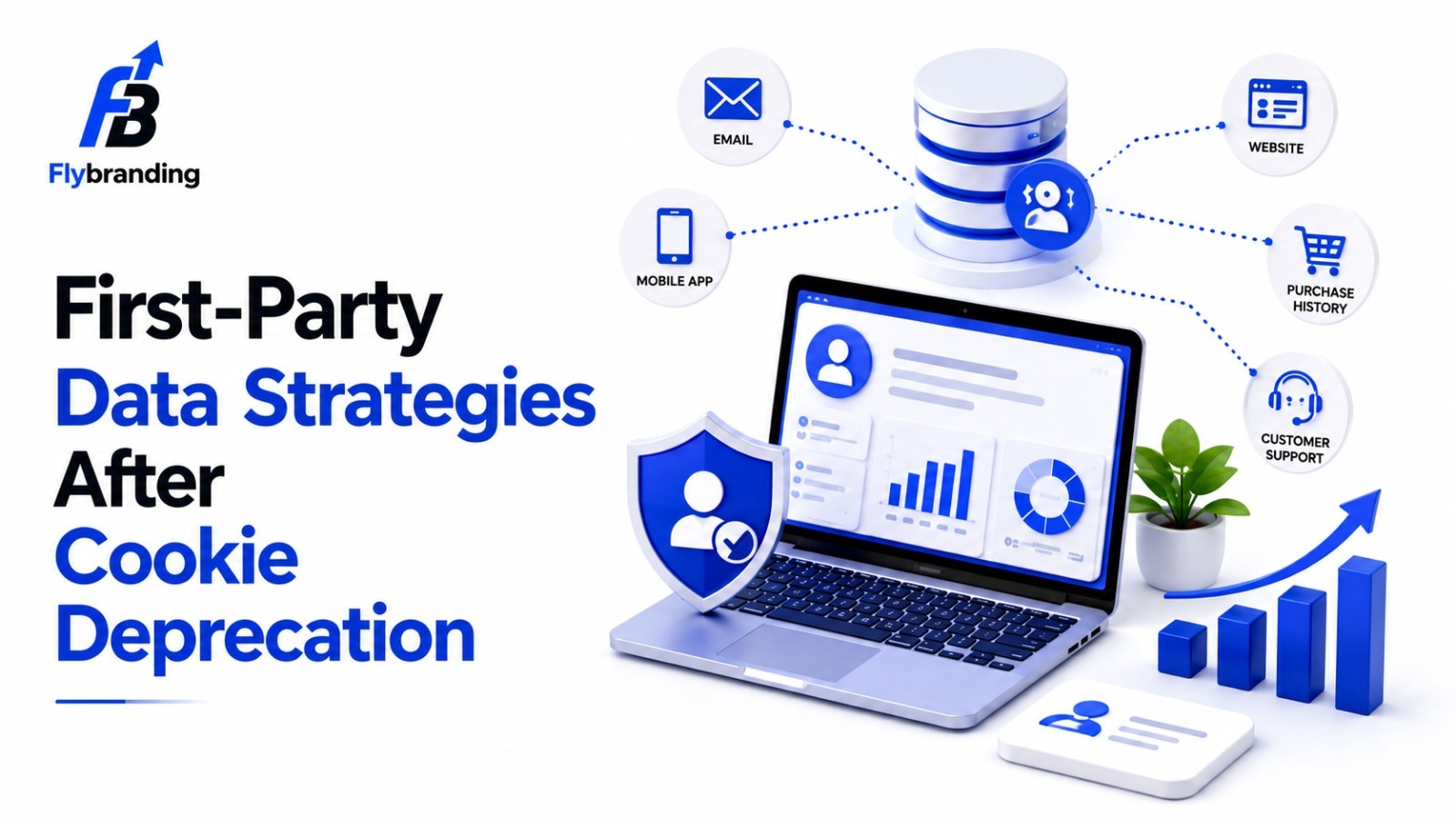
Customer Data Platforms help businesses unify data from multiple sources into a single customer profile.
Benefits of CDPs includes:
- Better audience segmentation
- Improved personalization
- More accurate reporting
- Stronger customer insights
- Enhanced marketing efficiency
As data sources become more fragmented, centralized data management is becoming increasingly important.
Best Practices for First-Party Data Collection
To maximize success, businesses should follow several key principles.
Prioritize Consent
Always obtain proper permission before collecting personal information.
Offer Clear Value
Customers are more likely sharing data when they understand the benefits.
Maintain Data Quality
Accurate and updated information produces better marketing results.
Break Down Data Silos
Different departments should be able to access relevant customer insights when appropriate.
Continuously Optimize
Data collection strategies should evolve based on customer behavior and business goals.
Conclusion
The decline of third-party cookies represents a major shift in digital marketing, but it also creates new opportunities for businesses to build stronger relationships with their customers.
By investing in first-party data strategies such as email marketing, loyalty programs, CRM systems, customer surveys, and personalized experiences, companies can continue delivering effective marketing while respecting user privacy.
Businesses that start strengthening their first-party data capabilities today will be better prepared for the future. Instead of relying on external tracking methods, brands can build direct relationships with customers and create sustainable long-term growth.
In a post-cookie world, first-party data is not just becoming important—it is becoming one of the most valuable assets a business can have.